
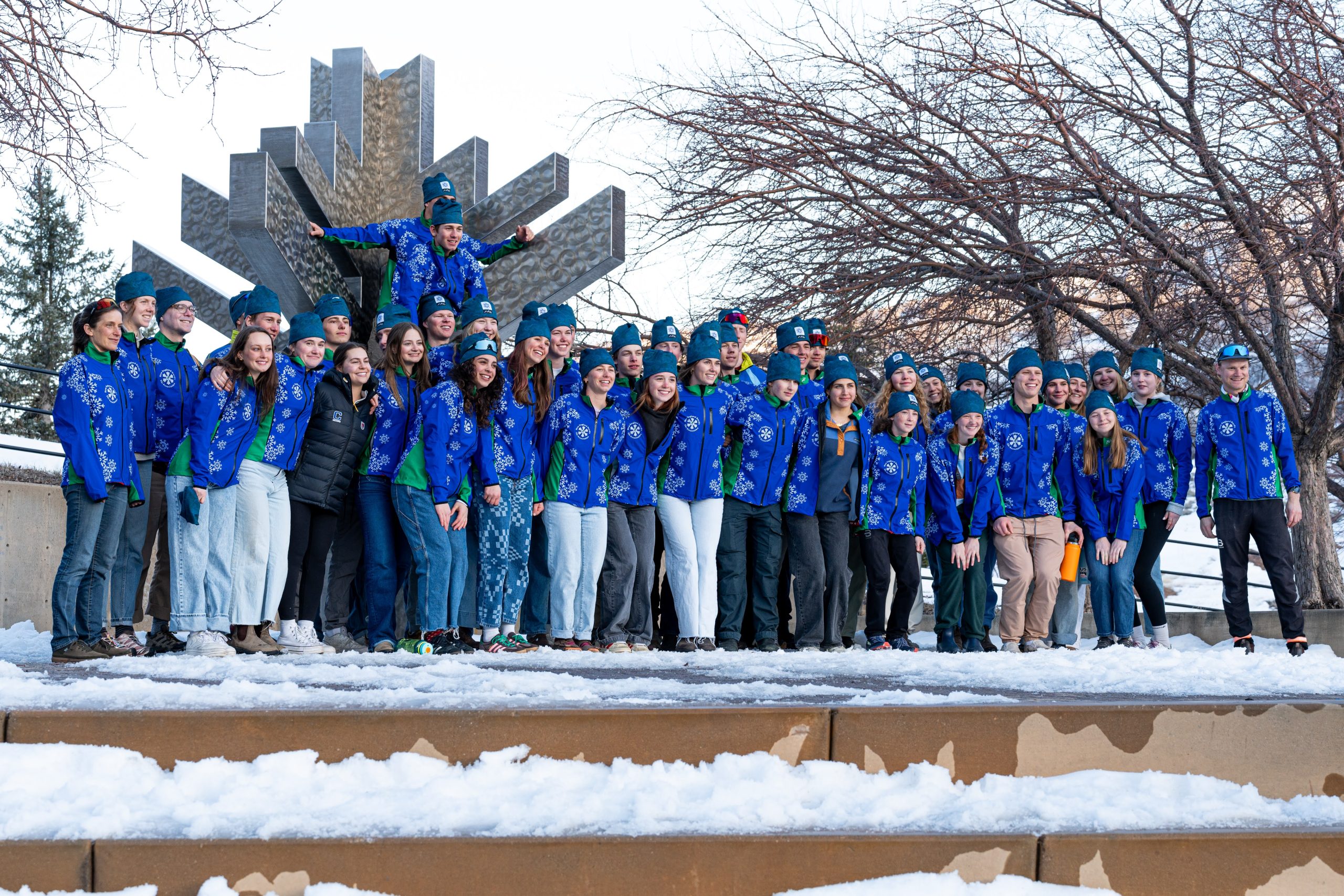
NENSA was well represented at the 2025 Junior Nationals CrossCountry Ski Championships in Soldier Hollow, Utah. George Forbes
30 Years of the New England Nordic Ski Association
John Caldwell didn’t exactly stand up in Faneuil Hall and shout, “Give me klister, or give me death,” but it was something close.
The old issues of taxation and representation flared in the frozen world of cross-country skiing following the 1994 Lillehammer Olympics. In Norway, US Skiing surprised itself. After a decade-long Olympic drought, the alpine team netted four medals. For cross-country though, the Games were a nadir. The then US Ski Association (now US Ski and Snowboard, USSS) faced budget cuts, and had a direction to aim.
New Englanders cradled another revolution. Instead of looking to Boston harbor though, they turned up to the Green Mountains of Vermont. The region had produced a host of world-class skiers a generation earlier including Martha Rockwell, Tim Caldwell, and 1976 Olympic Silver medalist Bill Koch. Caldwell and a cadre of coaches felt they still had the blueprint.
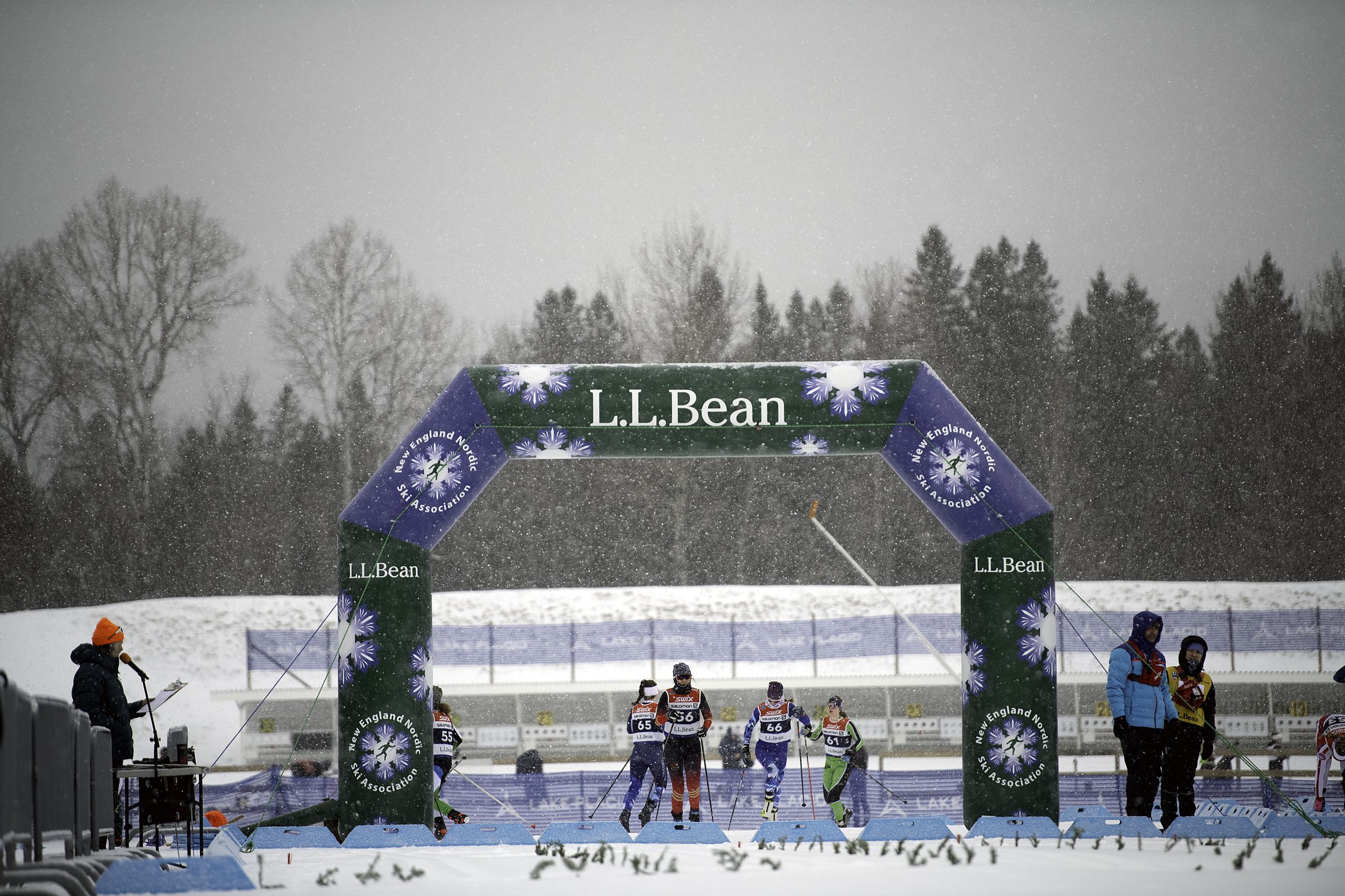
2025 LPEC. Courtesy NENSA/DarynSlover
“Those coaches stubbornly believed that ‘yes, you can produce world championship medalists right here,’” says Fred Griffin, a Vermont coach who was present at 1995 Stratton Mountain School meeting where the articles of incorporation were signed for the new New England Nordic Ski Association, NENSA.
At its outset, NENSA had a barebones directive: organize races, then take the revenue from those races, and re-invest them in New England, rather than sending them to Utah. Griffin, who would serve as the organization’s first executive director, saw the historic rhythm playing out, “the conversation turned from head taxes to declarations on the rights of all skiers pretty quickly.”
Caldwell and his nephew Zach Caldwell, hired as NENSA’s program director, began re-investing revenues from the new NENSA Eastern Cup Race Series in programs beyond races. NENSA camps, clinics, and teams emerged. Skiers formed clubs, and through NENSA, those clubs started working with other clubs. Kris Freeman, Ida Sargent, and Andy Newell highlighted a first generation of skiers who were distinctly NENSA skiers.
Thirty years on, NENSA is the only independent regional sport development organization in American cross-country skiing. Last year, around 9,000 skiers participated in one of NENSA’s year-round races, clinics, or camps. The NENSA program has grown to encompass a lifetime of skiing, from the Bill Koch Youth League all the way through to Masters races.

Bill Koch signing skis at the Bill Koch League Festival. Courtesy NENSA/Mackenzie Rizio
With New England’s clubs enmeshed into one community, there is a multiplier effect on the coaching and racing resources a skier interacts with throughout their development. Julia Kern, for instance, from suburban Boston, not only received support from her home club Cambridge Sports Union, but traversed Dartmouth College, Stratton Mountain School T2, and a whole host of regional club coach support throughout her development with NENSA. Current World Cup podiumist Ben Ogden, from Landgrove, Vermont, has a similar trajectory. The pair are the latest speaking to a proven approach. New England forms one of US Skiing’s 10 divisions nation-wide but has accounted for one in three American Olympians since 2002.
“My first couple of years on the job, John Caldwell would say, ‘Don’t answer any phone call from a Utah area code,’” Griffin quips now. “‘Tell them Craftsbury doesn’t really have phone service, sorry.’”
Today, Craftsbury does, indeed, have phone service. NENSA’s relationship to USSS too, is more in touch, symbiotic even, then in those early years. “The focus hasn’t changed though,” Griffin says. “It’s all about the kids—they’re here making new friends….and push each other on the same trails this winter.” Given NENSA’s history, odds are that one of them will push on to the World Cup.